
Cycling Betting Odds 2026: Grand Tours, In-Play Stages and Where the Margin Sits
 Available in US
Cycling is one of those sports the betting public sees everywhere from July to September and barely notices the rest of the year. The Grand Tours dominate the calendar, the one-day Classics fill the spring, and British bookmakers run a deeper cycling menu than most readers realise. The odds on a Tour de France stage, an outright market on the yellow jersey, or a head-to-head between two domestiques at 2/1 follow the same arithmetic as a football match, and the same margin sits inside every one of them. The difference is volume: cycling has fewer races, fewer betting opportunities per day, and a longer in-play window when a breakaway forms 90 kilometres from the finish. A bettor who understands how a bookmaker builds a price on a 200-kilometre road stage is in a stronger position than one who only knows football margins.
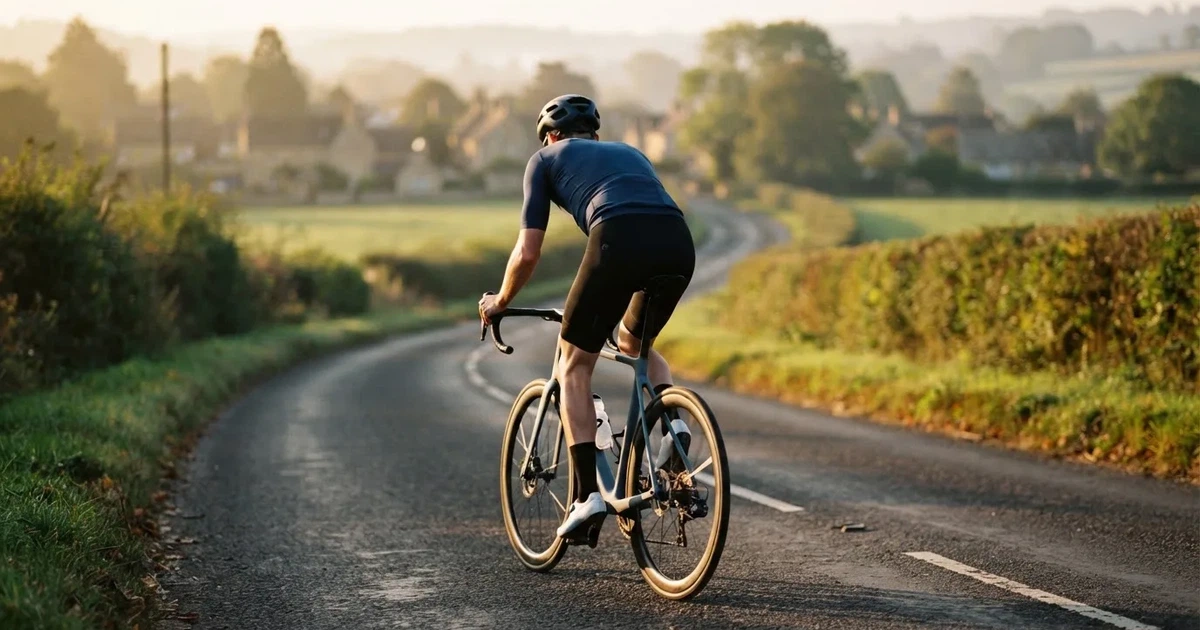
This page is built around the choice the subject actually offers. Three paths exist for a British bettor who wants to back a cyclist: a high-street name with the deepest market, a newer bookmaker that prices niche cycling races the big boys ignore, or a betting exchange where the price is set by other customers. Each path suits a different reader, and the choice that suits one punter badly suits another. What follows is the picture as of October 30, 2026, checked against the Gambling Commission’s public register.
The Fundamentals of Cycling as a Betting Sport
The UCI — the Union Cycliste Internationale, based in Aigle, Switzerland — has governed road cycling since 1900 and runs the men’s and women’s Road World Championships each year. Beneath the UCI sit continental federations, professional teams, and the racing calendar. The top tier of men’s road racing is the UCI WorldTour, created in 2005 as the ProTour and renamed the WorldTour in 2011. It includes the three Grand Tours, the spring Classics (Milan–San Remo, the Tour of Flanders, Paris–Roubaix, Liège–Bastogne–Liège), and the major stage races that fill the gaps between them. A WorldTour race attracts a deeper field of riders and a deeper menu of betting markets than a lower-division event.
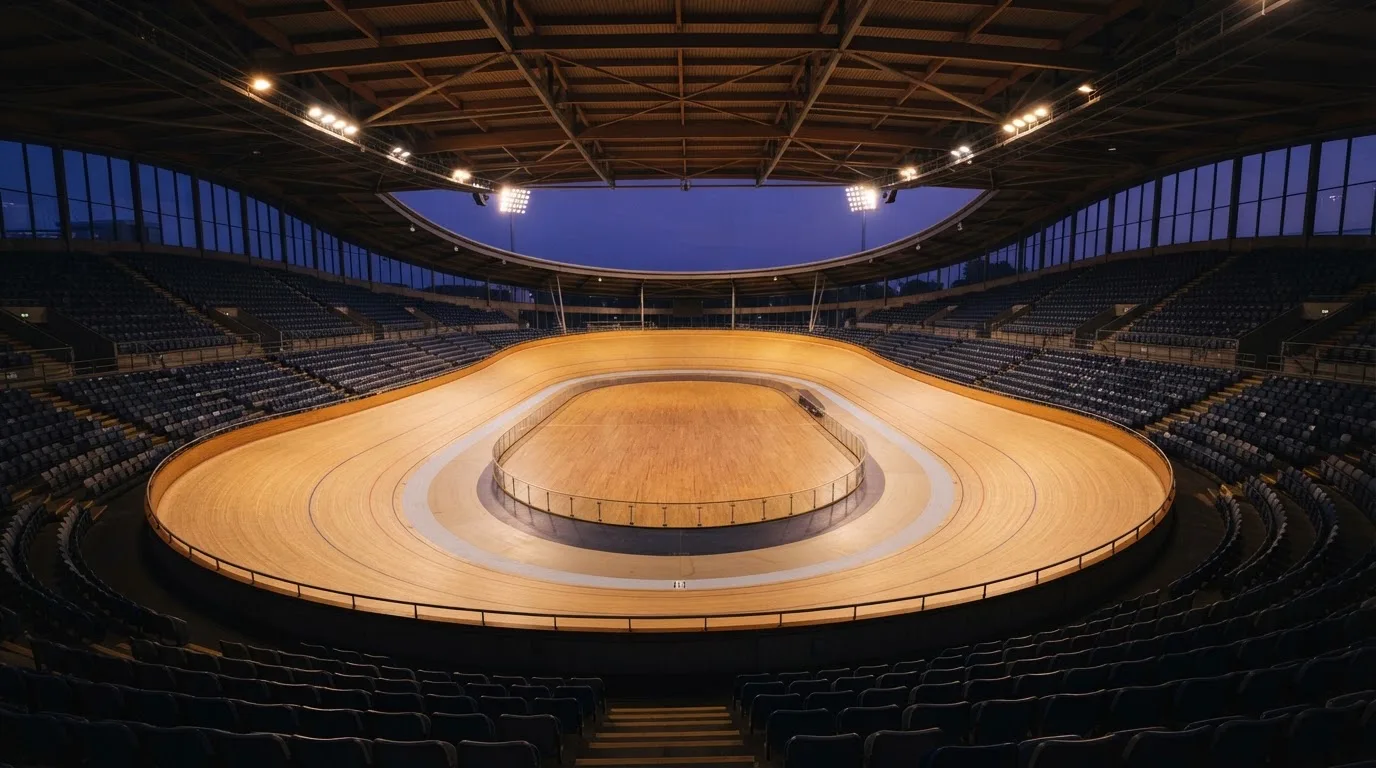
Cycling’s structure is unusual among betting sports. A Grand Tour runs over three weeks; a one-day Classic is decided in under seven hours. The same rider can be a heavy favourite on a flat sprint stage and a 50/1 outsider the next day in the mountains. A breakaway can stay away for 180 kilometres and then be caught in the final 500 metres, which means in-play markets stay open far longer than in football, where the action is concentrated in short bursts. The volume of betting opportunities per event is also higher than most readers assume: a single Tour de France stage can carry 40 to 60 pre-match markets at a deep bookmaker, from the stage winner to the King of the Mountains classification, the young rider jersey, the winning margin, and the margin of victory in seconds.
The Grand Tours are the Giro d’Italia (first held 1909), the Tour de France (1903), and the Vuelta a España (1935). UCI rules allow each Grand Tour to run between 15 and 23 days, with two rest days as standard. The leader’s jersey is pink in the Giro, yellow in the Tour, and red in the Vuelta — a small point, but useful for readers scanning a market and wondering why the same race is listed under three colours. The 2026 Tour de France ran from 4 to 26 July 2026, starting in Barcelona with a team time trial and finishing on the Champs-Élysées in Paris, over 21 stages and 3,245 kilometres with 23 teams. Tadej Pogačar of UAE Team Emirates won the race — his fifth Tour victory — and the result shaped outright books on the 2027 edition the moment the podium ceremony ended.
The Statute: How Licensed Bookmakers Operate in Britain
Cycling betting in Great Britain sits inside the framework set by the Gambling Act 2005, the Gambling (Licensing and Advertising) Act 2014, and the Gambling Commission’s Licence Conditions and Codes of Practice (LCCP). Any operator taking bets from customers in Great Britain needs a Commission remote licence, regardless of where the operator itself is based. A Curaçao, Maltese, or Gibraltar licence is not a substitute. The Commission’s public register is the only place a British bettor can confirm a brand holds a current licence, and it can be searched by business name, trading name, domain, or account number. Operators use .com as well as .co.uk, so the domain extension proves nothing.

Remote betting licences come in categories. The relevant ones for cycling are remote general betting standard (real events), which covers pre-match and in-play betting on real races, and remote betting intermediary, which covers betting exchanges. An operator’s licence category appears on the register alongside its account number. All ten bookmakers reviewed further down hold a remote general betting standard (real events) licence; Matchbook additionally holds a remote betting intermediary licence as a betting exchange. Financial spread betting is a separate regime regulated by the Financial Conduct Authority, not the Gambling Commission.
No statutory list of permitted bets or markets exists in Great Britain. A bookmaker holds a licence for a category and offers markets under its own rules and the LCCP. There is no state-set cap on stakes in sports betting; operators set their own maximum stakes and may restrict individual customers. Minimum age is 18, and name, address, and date of birth are verified before a customer can deposit or gamble — including with a free bet or bonus. The verification is mandatory, has been since 7 May 2019, and is the reason a licensed site cannot offer anonymous play. A credit card has been banned for gambling in Great Britain since 14 April 2020; debit cards, bank transfers, and e-wallets are not covered by that ban.
The operator’s tax is General Betting Duty, currently 15 per cent of gross profits on remote bets. From 1 April 2027 a new remote rate of 25 per cent applies within General Betting Duty, while remote bets on UK horse racing, pool betting, and in-person betting stay at 15 per cent. The player pays no tax on betting winnings in Great Britain; that is general information, not tax advice, and a professional gambler should ask HMRC. Whether operators pass duty on through odds is not established, and the page makes no claim either way.
In-play betting on cycling is offered by British bookmakers and the controls are the operator’s licence conditions and customer-protection duties, not a separate statute. Esports, virtual events, politics, and novelty markets are treated under the same framework; virtual events are a separate licence category.
Responsible Gambling: What the Licence Requires
The protections a British bettor gets at a licensed bookmaker are statutory, not goodwill. GAMSTOP, the national multi-operator online self-exclusion scheme, has been a mandatory licence condition for online operators since 31 March 2020. Self-exclusion periods are six months, one year, five years, or five years with auto-renewal, and after the minimum period the exclusion stays in place for a further seven years unless the customer asks GAMSTOP to remove it. GAMSTOP covers online sites and apps; betting shops use a separate service. Every bookmaker reviewed on this page is a GAMSTOP member, and a bettor who has self-excluded cannot open an account at any of them.
A financial vulnerability check has applied to licensed remote betting since 30 August 2024 under LCCP condition 3.4.4, and the threshold has been set since 28 February 2025 at deposits minus withdrawals exceeding £150 in a rolling 30 days. The check is a public-record check — for example, bankruptcy or county court judgments — not an income check and not a credit reference check. Financial risk assessments, the “affordability checks” widely discussed in the press, were announced in a staged plan (Commission article of 7 July 2026) with no start date. The page describes them as announced, staged, no start date. Deposit limits (Remote Technical Standard 12) are mandatory: operators must offer a gross deposit limit on a fixed time frame, with the first changes applying since 31 October 2025 and a second phase postponed to 30 September 2026. Whether the second phase is live is not established, and the page says so. There is no state-set deposit or loss ceiling for betting; limits are the customer’s choice.
Credit cards are banned for gambling, including credit-card-funded payments through an e-wallet. Help is available through GamCare (which runs the National Gambling Helpline), GambleAware, NHS gambling clinics, and Gamblers Anonymous. Several of the operators reviewed below carry direct links to these services in their responsible-gambling pages.
The licensed-versus-unlicensed divide is the other side of the choice. An unlicensed brand is not bound by the GAMSTOP requirement, the £150 vulnerability check, the 10x bonus cap, the credit-card ban, or any approved dispute-resolution route. A bettor using an unlicensed site has no Commission complaints route and no British consumer redress if funds are withheld. The honest framing is that licensed means checks, limits, GAMSTOP, and the bonus cap, alongside verification before the first bet; unlicensed means none of those protections, with the additional risk of losing funds.
Sports, Tournaments, and the Cycling Calendar
The cycling calendar is built around three peaks: the spring Classics in March and April, the Giro d’Italia in May, and the Tour de France in July. The Vuelta a España runs in August and September, and the Road World Championships close the road season in late September or October. Beneath those peaks sit week-long stage races (Paris–Nice, Tirreno–Adriatico, the Critérium du Dauphiné, the Tour de Suisse), one-day semi-Classics, and the women’s WorldTour, which runs a parallel calendar with its own Grand Tour equivalent.
Pre-match markets at a deep bookmaker cover the race winner (outright), the podium (top three), the King of the Mountains classification, the points classification, the young rider classification, the team classification, individual stage winners, head-to-head matchups between two named riders, and group bets. In-play markets on a Grand Tour stage typically include the next stage winner, the race leader after the next summit finish, and live matchups between riders. Liquidity is thinner than on a Premier League match, which is why cycling odds can move several points on a single incident — a crash, a mechanical, a breakaway forming — and why a betting exchange’s price often lags a sharp bookmaker’s price by a tick or two.
The Classics and one-day races offer a different market structure. Milan–San Remo, the longest one-day race on the calendar at nearly 300 kilometres, sees a smaller outright field and a heavy favourite profile. Paris–Roubaix, with its cobbles, attracts specialist markets on the sector classifications. The Tour of Flanders carries its own market on the famous Oude Kwijntje and Paterberg climbs. A reader who bets on a one-day Classic is betting on a single afternoon, not a three-week drift, and the in-play window is much shorter.
The women’s WorldTour has grown into a serious market. The Tour de France Femmes, the Giro d’Italia Women, and the Vuelta España Femenina each attract outright books from the major bookmakers, and the depth of in-play coverage has improved year on year. Markets are still narrower than the men’s peloton, and a bettor looking for head-to-head matchups on a women’s WorldTour race will find fewer options than on the men’s Tour.
The Grand Tours in 2026
The 2026 Tour de France ran from 4 to 26 July over 21 stages and 3,245 kilometres, starting in Barcelona with a team time trial and finishing on the Champs-Élysées. Tadej Pogačar of UAE Team Emirates won his fifth Tour, a result that reset the outright market on the 2027 edition the moment the podium ceremony ended. The Giro d’Italia and Vuelta a España ran on their standard slots in May and August–September, and the 2026 Road World Championships closed the road season in late September. A bettor building a year-round portfolio of cycling bets has roughly 250 race days to work with, concentrated in March–May and July–September.
Choosing a Bookmaker: The Three Paths
The British market for cycling betting breaks into three paths, and the right one depends on what the reader actually bets. A punter who wants a £5 each-way flutter on the Grand National of cycling — the Tour de France winner — has different needs from a reader who wants to lay a rider on a betting exchange, who in turn has different needs from a reader who follows the spring Classics and wants a bookmaker that prices every semi-Classic with depth.
The first path is the high-street name with the deepest market. The second is the specialist or newer bookmaker that prices niche races the high-street names underwrite lightly. The third is the betting exchange, where the price is set by other customers and the bookmaker takes a commission on net winnings. None is universally better; each suits a different kind of punter, and the choice a reader makes should follow the kind of bet they actually place.
The Comparison Table
The table below covers the ten bookmakers reviewed on this page, each holding a Gambling Commission remote licence. The licence number is the Commission’s public register number, and the licence holder is the legal entity named on the register. The fourth column summarises what each operator’s own terms state on the subject the operator is best known for — and is not a claim about cycling specifically, since research does not carry per-operator cycling market depth.
| Brand | Gambling Commission remote licence | Licence holder | What the operator’s own terms state |
|---|---|---|---|
| DragonBet | 64908 (licence 064908-R-339041-003) | DragonBet Ltd | Welsh football and rugby markets, racing, American football, in-play and bet builder markets |
| Fafabet | 57385 (licence 057385-R-333191-006) | Taichi Tech Limited | Best Odds Guaranteed on UK and Irish horse racing win and each-way bets from 9am on race days |
| Betboro | 44181 (licence 044181-R-324363-007) | Webmedia Development N.V. | Sports welcome offer: 100% matched free bet up to £25 on first qualifying wager, £10 minimum debit card deposit, £5–£25 first bet, three selections at 3/5 (1.60) or higher |
| Matchbook | 39504 (licence 039504-R-319407-024) | Triplebet Limited | Betting exchange where customers bet against other users, with Bet Builder, multiples, in-play and live streaming of horse racing and greyhounds |
| Spreadex | 8835 (licence 008835-R-104580-022) | Spreadex Limited | Combined fixed-odds and spread betting in one app, with one-click, auto and partial cash out, Bet Builder, live streaming of UK and Irish racing, greyhounds, tennis, NFL and selected football |
| DAZN Bet | 48756 (licence 048756-R-327274-019) | DZBT Limited | Deposits from £5 by debit card, Apple Pay, Paysafecard, Trustly and Skrill, and £20 by PayPal, no processing fees |
| Bet Ahoy | 100094 (licence 100094-R-341742-003) | Bet Ahoy Ltd | Welcome offer: Bet £10 and Get £10 in Free Bets, made up of a £5 sports bet and a £5 acca |
| London Bet | 66162 (licence 066162-R-340278-004) | Thistle Bet Limited | Sports betting on football, tennis, horse racing, greyhounds, darts, golf, cricket, NFL, NBA, MLB, snooker, with Pragmatic Play casino slots and live in-play |
| 10bet | 43173 (licence 043173-R-322899-023) | Blue Star Planet Limited | Sportsbook covering football, tennis and horse racing, with Cash out, Bet Builder and Live Streaming |
| Hollywoodbets | 53028 (licence 053028-R-330019-013) | Hollywoodbets International UK Limited | Sports welcome offer: stake returned as a free bet up to £30 on first qualifying losing accumulator (stake £10+, 3+ legs, 4/1 or greater, settled within 7 days) |
All ten operators hold a Commission licence for remote general betting standard (real events), which covers pre-match and in-play cycling. Matchbook additionally holds a remote betting intermediary licence. None of the figures above are presented as the operator’s own claims about cycling market depth; the comparison is built on what each operator’s own terms state on its strongest subject, and the reader should check the live cycling menu before placing a bet.
The Top Ten Reviewed Bookmakers
Each of the ten operators below holds a Gambling Commission remote licence verified against the public register. The reviews describe what each operator’s own terms state and where that fits the cycling bettor’s choice.
DragonBet
DragonBet is run by DragonBet Ltd under Gambling Commission account 64908 (remote general betting standard, real events). Its app features Welsh football and rugby markets, racing, American football, in-play betting, and bet builder markets. The brand is a newer entrant to the British market and its strongest markets are regional football and rugby; cycling sits inside the general sportsbook rather than a dedicated cycling tab. The bet builder tool covers football and several American sports; whether it covers cycling is not established in the operator’s public terms, and a reader who wants same-stage combinations should check the live slip.
For a cycling bettor, DragonBet suits a reader who wants a licensed brand with a familiar UK app and is happy to use the main sportsbook for outright and stage markets. It is not the place to look for exotic cycling matchups or women’s WorldTour depth. The verdict: a solid licensed option for mainstream cycling bets, with the caveat that the operator’s distinctive offering is Welsh and regional sport, not road racing.
Fafabet
Fafabet is run by Taichi Tech Limited under Gambling Commission account 57385 (remote general betting standard, real events). Its most distinctive published feature is Best Odds Guaranteed on UK and Irish horse racing win and each-way bets from 9am on race days: if the starting price is bigger than the original price taken, the bigger odds are paid. That is a horse-racing feature rather than a cycling feature, and it is the clearest signal in the operator’s own terms of where its depth sits.
For cycling, Fafabet is a licensed bookmaker with a standard sportsbook and a racing-heavy product. A reader whose main interest is the Grand Tours will find outright and stage markets but should not expect the same depth they would get from a high-street name that underwrites cycling heavily. The verdict: a credible licensed option whose headline feature is horse racing; cycling punters will find the basics, and little more.
Betboro
Betboro is run by Webmedia Development N.V. under Gambling Commission account 44181 (remote general betting standard, real events). Its sports welcome offer is a 100 per cent matched free bet of up to £25 on the first qualifying wager, requiring a debit card deposit of at least £10 and a first bet of £5 to £25 with at least three selections each at 3/5 (1.60) or higher. Three selections at 1.60 or higher is a standard accumulator structure; on cycling it works on a three-stage combo or an outright plus two stage bets, and a reader should check the terms for the list of qualifying markets before placing.
For a cycling bettor, Betboro is a smaller licensed brand with a sportsbook that covers mainstream events. The offer’s three-selection structure at 1.60 minimum is friendlier than some accumulator-only deals (which require 2.00 or higher) and is workable for a Grand Tour three-leg acca. The verdict: a licensed bookmaker whose welcome structure is workable for a cycling acca at minimum price 1.60, modest in size but accessible.
Matchbook
Matchbook is run by Triplebet Limited under Gambling Commission account 39504 (remote general betting standard, real events; remote betting intermediary). It is a betting exchange: customers bet against other users, with Bet Builder, multiples, in-play betting, and live streaming of horse racing and greyhounds. The exchange model means the price is set by the market of customers, not by a bookmaker’s trading desk, and Matchbook takes a commission on net winnings rather than building a margin into every price. That is the structural difference an exchange brings to cycling: thinner markets than a deep bookmaker on niche races, but potentially sharper prices on heavily-backed riders where the crowd has an opinion.
For a cycling bettor who is comfortable with the back-and-lay model, Matchbook offers a different path from the traditional bookmaker. The commission is the cost; the upside is that the price is closer to a “true” market view on liquid events. The verdict: Matchbook is tailored for punters who want to lay riders or trade positions, rather than those seeking the simple price-and-stake model of a traditional sportsbook.
Spreadex
Spreadex is run by Spreadex Limited under Gambling Commission account 8835 (remote general betting standard, real events) and is separately regulated by the Financial Conduct Authority for spread betting. It combines fixed-odds and spread betting in one app, with one-click, auto and partial cash out, Bet Builder across fixed odds or spreads, and live streaming of UK and Irish horse racing, greyhounds, tennis, NFL and selected football. The combination of fixed-odds and spread betting is unusual: a reader can place a traditional bet on a Tour de France stage or take a spread position on a rider’s finishing position.
The caveat the operator’s own site states is that spread betting losses can exceed deposits, which is a feature of the spread product, not the fixed-odds product. A reader using only the fixed-odds side is exposed to standard fixed-odds risk. For a cycling bettor who knows the spread product, Spreadex offers something no other operator on this list does; for a reader who has never used spread betting, the fixed-odds side is the safer entry point. The verdict: Spreadex combines fixed-odds and spread markets in one interface, requiring an awareness of the spread product’s distinct risk profile.
DAZN Bet
DAZN Bet is run by DZBT Limited under Gambling Commission account 48756 (remote general betting standard, real events). Its deposit structure is published: deposits start at £5 by debit card, Apple Pay, Paysafecard, Trustly, and Skrill, and at £20 by PayPal, with no processing fees. The £5 minimum is at the lower end of the British market, and the range of payment methods covers most of what a British bettor uses day-to-day.
For a cycling bettor, DAZN Bet is a licensed sportsbook with a broad payment footprint. The deposit minimums matter for a punter who wants to bet small and often, or who is testing a new account with a £5 deposit before committing. The verdict: a licensed platform defined by its accessible payment structure and a standard, reliable sportsbook environment.
Bet Ahoy
Bet Ahoy is run by Bet Ahoy Ltd under Gambling Commission account 100094 (remote general betting standard, real events). Its welcome offer is “Bet £10 & Get £10 in Free Bets”, made up of a £5 sports bet and a £5 acca. The structure is simple: a single sports bet at £10 triggers a £5 free sports bet, and a qualifying acca triggers a £5 free acca. The free-bet stake is generally not returned with a winning free bet, so the headline £10 in free bets is worth a fraction of that on average, and the arithmetic of free-bet value is covered later in this page.
For a cycling bettor, Bet Ahoy is a smaller licensed brand with a straightforward welcome structure. A reader who places a £10 bet on a Grand Tour stage and a £10 acca on three stages gets two free bets back. The verdict: Bet Ahoy provides a standard sportsbook with a compact welcome offer, keeping in mind that the free-bet stake is generally not returned on a win.
London Bet
London Bet is run by Thistle Bet Limited under Gambling Commission account 66162 (remote general betting standard, real events). Its app combines sports betting on football, tennis, horse racing, greyhounds, darts, golf, cricket, NFL, NBA, MLB, and snooker, with Pragmatic Play casino slots and live in-play betting. The sportsbook is broad and the product is a mixed sports-and-casino app rather than a pure sportsbook.
For a cycling bettor, London Bet covers the basics through its main sportsbook. Cycling is not listed among the named sports on the app store description, which is a soft signal that the menu is mainstream rather than specialist. A reader who wants depth on the Classics or the women’s WorldTour should check the live menu. The verdict: a licensed option with a broad sportsbook and a casino product, suitable for mainstream bets, with cycling depth not established.
10bet
10bet is run by Blue Star Planet Limited under Gambling Commission account 43173 (remote general betting standard, real events). Its sportsbook covers football, tennis, and horse racing, with Cash out, Bet Builder, and Live Streaming. The product is a standard international sportsbook with the usual features; Bet Builder and Cash out are the headline tools, and Live Streaming is the feature that separates a deeper bookmaker from a thinner one.
For a cycling bettor, 10bet sits in the middle of the market: a licensed bookmaker with the standard feature set, mainstream sportsbook depth, and a brand that has been in the British market for several years. The verdict: 10bet offers a dependable mainstream experience complete with Cash out, Bet Builder, and Live Streaming, functioning as a solid all-rounder.
Hollywoodbets
Hollywoodbets is run by Hollywoodbets International UK Limited under Gambling Commission account 53028 (remote general betting standard, real events). Its sports welcome offer pays new players’ stake back as a free bet of up to £30 on their first qualifying losing accumulator, with stake £10 or more, three or more legs, odds of 4/1 or greater, settled within seven days, one free bet per customer. The structure is a stake-back rather than a matched free bet, and it triggers only on a losing acca.
For a cycling bettor, Hollywoodbets is a licensed bookmaker with a stake-back welcome that rewards an acca rather than a single bet. A reader who builds a three-stage acca at minimum 4/1 (5.00 decimal) gets the stake back as a free bet if the acca loses; if the acca wins, the welcome pays nothing extra. The free-bet stake is generally not returned with a winning free bet. The verdict: a licensed option whose welcome is built around the acca, and a reasonable choice for a reader who bets accumulators rather than singles.
How the Margin Sits Inside the Odds
Every bookmaker price carries a margin. The margin is the share of every pound staked that the bookmaker keeps, on average, across all outcomes of a market. It is built into the odds: if a market is “fair” — meaning the bookmaker takes nothing — the implied probabilities of all outcomes add to exactly 100 per cent. In practice they add to more, and the gap between 100 per cent and the total of implied probabilities is the margin, also called the overround.
The arithmetic is straightforward. Take an illustrative two-way market priced at 1.90 / 1.90 in decimal odds (the fractional form is 9/10, or “odds-on” in British usage). The implied probability of each outcome is 1 ÷ 1.90, which is approximately 52.63 per cent. With two outcomes, the total implied probability is 2 × 52.63 per cent, or 105.26 per cent. The payout share — the proportion of every pound staked that is returned to customers in the long run — is the reciprocal of the total implied probability: 1 ÷ 1.05, or roughly 95 per cent. The margin is 1 minus the payout share, or about 5 per cent.
The same arithmetic at different prices gives a different margin. Two-way odds of 1.91 / 1.91 (roughly 10/11 each) imply a total probability of 104.7 per cent and a margin of about 4.7 per cent. Two-way odds of 1.85 / 1.85 (roughly 17/20 each) imply 108.1 per cent and a margin of about 7.5 per cent. The tighter the price, the smaller the margin; the wider the price, the larger the margin. On cycling, the margin tends to be wider than on Premier League football because the market is less liquid, the trading desk has less information, and the bookmaker is taking more risk per outcome.
The conclusion is not that one bookmaker always offers better cycling odds than another, because the margin varies market by market, race by race, and even within a single race by stage. It is that the margin is visible in the odds, and a reader who knows the formula can check it. Take any two-way market, add the implied probabilities, and the gap above 100 per cent is the margin. A reader comparing two bookmakers on the same market at the same moment can pick the lower margin by doing the arithmetic once.
How a Betting Offer Actually Works in Practice
A welcome offer reads well on a banner. The actual cost of clearing it depends on the turnover requirement, the minimum price, the deadline, and the cap on winnings. The CAP Code and the Commission’s LCCP cap wagering requirements on bonuses at 10x, in force since 19 January 2026, and ban mixed-product promotions that require gambling on two or more product types. A £10 bonus at 50x wagering is not allowed under the cap, and any offer above that is non-compliant.
The other half of the cost is the minimum price. A bonus that requires bets at 1.50 (1/2) is cheaper to clear than one that requires 2.00 (1/1), because at 1.50 the qualifying bets cover more ground per pound staked. Cycling’s narrow favourite pricing — Pogačar at 5/4 on a flat stage, a sprinter at 6/4 to win a sprint — sits well within most minimum-price requirements, and a reader building a bonus-clearing plan on cycling should pick bets at or just above the minimum price to keep the turnover efficient.
A free bet is worth its face value only if the stake is returned with the win, and that is rarely the case. For a free bet whose stake is not paid back, the value is the free-bet amount multiplied by the odds minus one, divided by the odds, multiplied by the payout share of the market. On a £10 free bet at 5.00 (4/1) on a market with a 95 per cent payout share, the value is 10 × (5.00 − 1) ÷ 5.00 × 0.95, or about £7.60. That is the expected return averaged over many bets, not a guaranteed payout on any single bet, and it is roughly 76 per cent of the headline “£10 free bet” a reader sees on a banner. The honest framing is that a free bet is worth less than its face value, and a reader who treats it as £10 is overstating the offer.
The same arithmetic applied to a stake-back offer (Hollywoodbets’ structure) shows the same gap: a £10 stake back as a free bet on a losing acca is worth about £7.60 if the qualifying bet is at 5.00 and the free bet is used at 5.00. The marketing word “free” is doing a lot of work in both cases. A reader who treats a free bet as cash will be disappointed; a reader who treats it as a discounted bet will plan accordingly.
The Path a British Cycling Bettor Actually Takes
The first decision is whether to use a bookmaker or an exchange. A bookmaker sets its own price and takes the other side; an exchange matches customer against customer and takes a commission on net winnings. For outright markets on the Grand Tours, a deep bookmaker is usually the better choice because the outright market is liquid at the start of the race and thins out stage by stage. For in-play markets during a stage, an exchange can offer a sharper price once a breakaway forms and the market has a clear view.
The second decision is which bookmaker. The comparison table above lists ten licensed brands; the choice depends on what the reader bets. A reader who bets Grand Tour outrights only needs a bookmaker with deep outright markets and reliable settlement. A reader who bets stage winners and in-play needs a bookmaker with Bet Builder, Cash out, and Live Streaming. A reader who bets women’s WorldTour needs a bookmaker that prices those races; several of the brands above carry the women’s calendar, and depth varies.
The third decision is what to bet. The arithmetic of the bonus, the cap on winnings, the deadline, and the minimum price all matter. A reader who bets without checking the terms is reading the marketing, not the offer. The same applies to a free bet: the headline figure overstates the value, and the gap is the cost of the marketing word.
The fourth decision is when to stop. The financial vulnerability check at £150 of net deposits in 30 days is a Commission-mandated check, not a customer-initiated limit, and it triggers a public-record review. A reader who sets their own deposit limit before reaching that threshold is making a choice the operator’s system will support. Self-exclusion through GAMSTOP is the heavier tool, and the operator cannot override it.
What a £10 Bet on a Tour de France Stage Actually Returns
The arithmetic of a single bet is simple. Stake multiplied by the odds gives the return (the original stake plus the winnings). The net profit, if the bet wins, is the stake multiplied by the odds minus one. On a £10 bet at 5.00 (4/1), the return is £50, the profit is £40, and the stake is returned with the win. On a £10 bet at 1.50 (1/2), the return is £15, the profit is £5. The arithmetic is the same at every bookmaker, on every sport, and on every market.
The combination bet is where cycling bettors build their edge or lose it. The odds of each leg multiply into one price. Three legs at 2.00, 3.00, and 4.00 (1/1, 2/1, and 3/1) give a combined price of 24.00 (23/1). A £10 combination bet at 24.00 returns £240 if all three legs win, for a profit of £230. The trade-off is that each leg must win, and the more legs added, the lower the probability of all of them winning, even if the combined odds look attractive. A three-leg acca at 24.00 is more likely to lose than any of the three singles.
The margin of a combination bet is the combined margin of each leg, and it compounds. Three legs at 5 per cent margin each give a combined margin above 15 per cent; the exact figure depends on each leg’s price. A reader building a cycling acca should know the margin on each leg, not just the combined price, because the combined price hides how much the bookmaker is taking from the bet.
The Choice in One Read
A British bettor in 2026 has more licensed options for cycling than at any previous point in the market. The high-street name path offers depth and reliability; the specialist and newer bookmaker path offers a different welcome and a smaller menu; the exchange path offers sharper prices and a different skill set. The arithmetic of the odds is the same on all three paths, and the margin sits inside every price, visibly, to anyone who knows the formula.
The right path depends on the bettor, not the bookmaker. A reader who wants a simple outright on the Tour de France and a few stage bets will be well served by any of the ten licensed bookmakers above. A reader who wants to lay a rider, trade a position, or take a spread view on a race will end up at Matchbook or Spreadex. A reader who wants a free bet as a discount on a first acca will read the terms and treat the headline figure as a starting point, not a guarantee.
The margin is a crucial figure to understand. Five per cent on a two-way market at 1.90 / 1.90 is the typical band a reader should expect from a competitive bookmaker on a liquid cycling market, and the arithmetic is reproducible on any price. Higher margins are common on niche races and exotic markets, whereas liquid outrights often see tighter margins. The bettor who can read the margin in the odds is the one who knows what the bookmaker is taking and can shop the price.
Frequently asked questions
How is a return on a cycling bet worked out from the stake and the odds?
The return is the stake multiplied by the decimal odds. A £10 bet at 4.00 (3/1) returns £40 if it wins, made up of the £10 stake plus £30 profit. The net profit, ignoring the stake, is the stake multiplied by the odds minus one. The arithmetic holds for singles, each-way bets (where the stake doubles), and combination bets, where the odds of each leg multiply into one combined price.
Can a bettor check that a bookmaker holds a Gambling Commission licence?
Yes, through the Commission’s public register, which can be searched by business name, trading name, domain, or account number. The register lists the licence type, the licence holder, and the current status. A licence that does not appear on the register does not exist for the purposes of British consumer protection, and the bettor should treat the brand as unlicensed. The register is the only place a licence can be verified, and operators use .com as well as .co.uk, so the domain alone proves nothing.
What is the bookmaker’s margin, and how does it show in the odds?
The margin is the share of every pound staked that the bookmaker keeps, on average, across all outcomes of a market. It is visible in the odds: on a two-way market, the implied probabilities (1 ÷ decimal odds) should add to 100 per cent for a fair market; in practice they add to more, and the gap is the margin. At 1.90 / 1.90, the implied probabilities add to 105.26 per cent and the margin is about 5 per cent. A lower margin means a sharper price; a higher margin means a wider price.
How do fractional odds such as 5/1 convert to decimal odds such as 6.00?
The conversion is a/b → a ÷ b + 1. Five divided by one is five, plus one is six, so 5/1 fractional is 6.00 decimal. Eleven divided by four is 2.75, plus one is 3.75, so 11/4 is 3.75. Evens is 1/1, or 2.00 decimal. A price shorter than evens (odds-on) gives a decimal price between 1.00 and 2.00; 4/6 is 1.67, 1/2 is 1.50, 1/5 is 1.20. The conversion is exact and reversible.
Is in-play betting on cycling available at British bookmakers, and is it legal?
In-play betting on cycling is offered by British bookmakers and is legal under the Gambling Act 2005, with the controls set by the operator’s licence conditions and customer-protection duties rather than a separate statute. The bettor needs a verified account at a licensed bookmaker, the in-play market must be available on the event, and the odds will update as the race unfolds. In-play is the market where the bookmaker’s margin tends to be wider than on pre-match outrights, because the market is less liquid and the trading desk is reacting in real time.
Combat & motorsport – Icehockeyoddshub.com
Content created by the «Icehockeyoddshub.com» team
